• education
  • strains
  • indica
  • sativa
  • hybrids

The Difference Between Indica, Sativa, and Hybrid Strains Explained

Cape Cannabis8 min read

The classic three-way split is useful but incomplete. Here’s what indica, sativa and hybrid actually tell you — and what matters more for your experience.

Almost every cannabis menu still sorts flower into indica, sativa, or hybrid. These labels originated from plant morphology and geographic origin, yet modern breeding has blurred the lines. Understanding both the history and the current reality helps you shop smarter.

At Cape Cannabis we use the terms as a rough compass, not a rigid rulebook.

Classic definitions

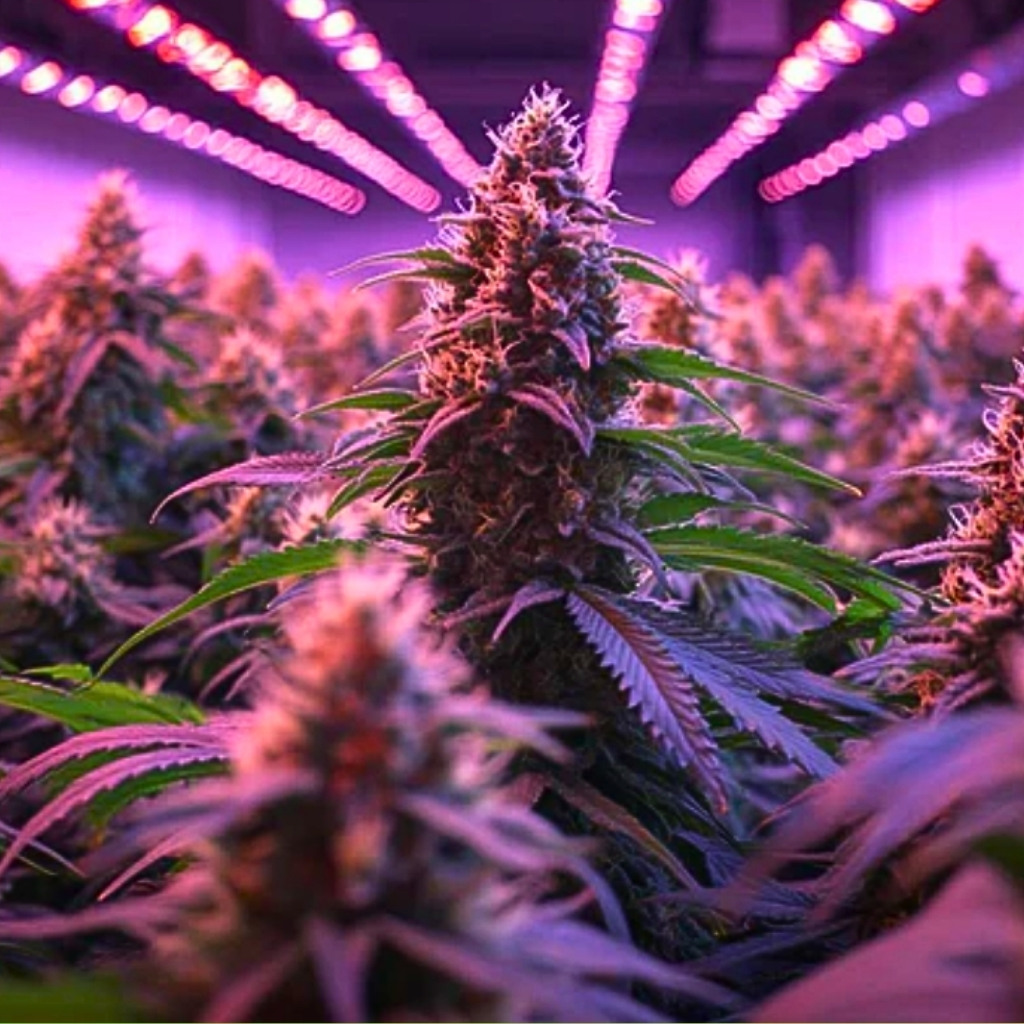
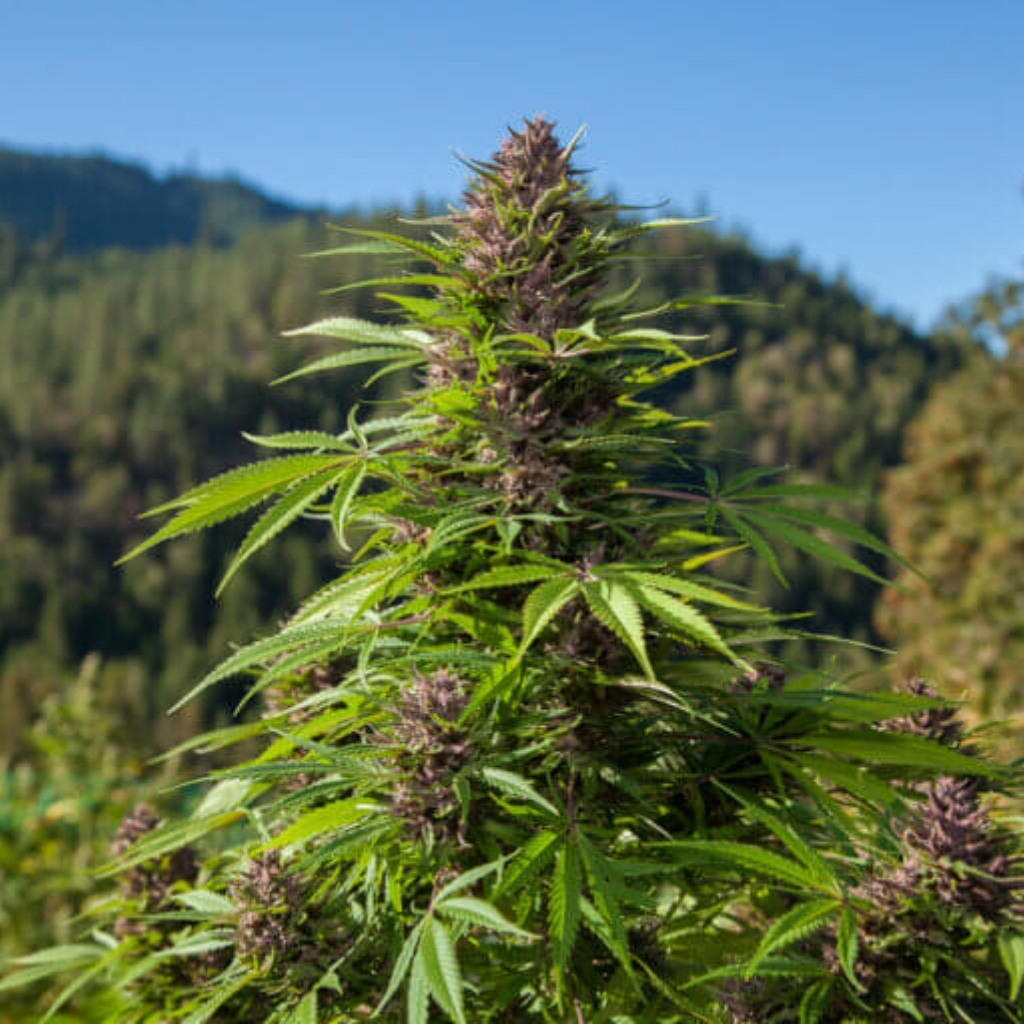
Indica plants traditionally came from the Hindu Kush and surrounding regions. They tend to be shorter, bushier, with broader leaves. Effects were popularly described as body-heavy and relaxing.

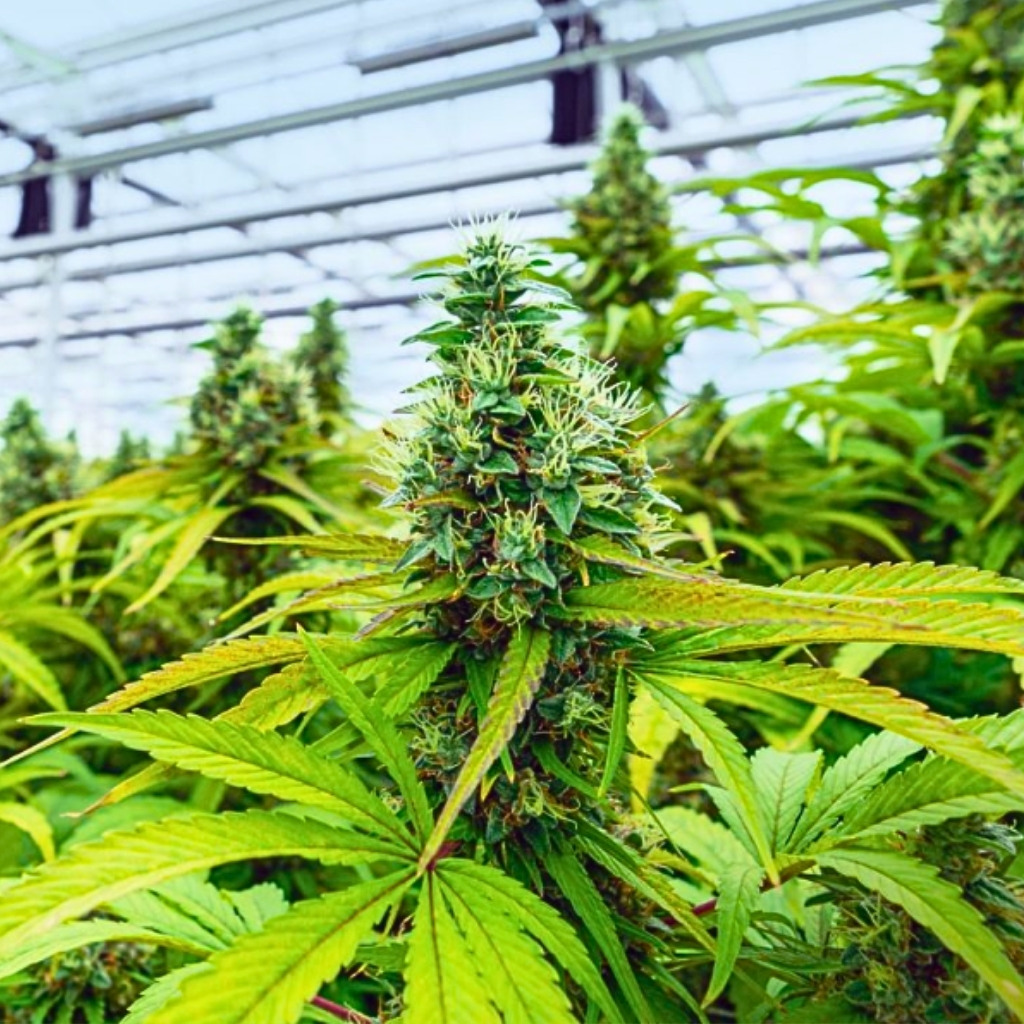
Sativa plants originated closer to the equator. They grow taller with narrower leaves. Effects were associated with a more cerebral, energetic feel.

Hybrid simply means a cross between the two. Most commercial cannabis today is hybrid to some degree.

Why the old labels are incomplete

Decades of breeding mean almost every strain on the market carries genetics from both sides. A plant labelled “indica” may still deliver a clear-headed experience if its terpene profile leans that way. The chemical composition — cannabinoids and especially terpenes — predicts effects far better than the indica/sativa tag alone.

What actually drives the experience

  • THC and CBD percentages
  • Dominant terpenes (myrcene, limonene, pinene, caryophyllene, linalool, etc.)
  • Your own endocannabinoid system and tolerance
  • Dose and method of consumption
  • Set and setting

How to use the labels usefully

Treat indica-leaning as a hint toward evening or body-focused sessions. Treat sativa-leaning as a hint toward daytime or more uplifting sessions. Then look deeper: check the terpene list and the lab numbers. A “sativa” rich in myrcene may still feel heavy; an “indica” high in limonene and pinene may feel surprisingly bright.

Hybrid reality check

Most of what you will find is hybrid. Breeders select for specific effect profiles, yield, flavour, and disease resistance. The best approach is to ignore the broad category once you have a few data points from your own experience and start choosing by aroma and reported effects.

Practical shopping tip

Ask for (or look up) the dominant terpenes. Myrcene often correlates with relaxation; limonene with mood elevation; pinene with alertness; caryophyllene with a grounded, spicy character; linalool with softer calm. That information is more reliable than the three traditional boxes.

Final note

Indica, sativa and hybrid remain convenient shorthand. Use them as a starting filter, then let chemistry and personal response guide the final choice. Quality, accurate testing, and honest labelling matter more than the old botanical categories. Explore thoughtfully at Cape Cannabis.

Premium cannabis for a legal, private community. Quality products, expert guidance, and convenient delivery or collection.

PrivateLab-testedClub

© 2026 Cape Cannabis. All rights reserved.